The Many Deaths We Live Through
What we call death is only the last one
Yesterday, at the Buddhist center, I came across the idea that “we die many times within the same life” — or rather, that our life holds many moments of death. What we call death is only the last one; before it, there are many others.
The life I had as a child, with my Knights of the Zodiac figures, my marbles and my Super Nintendo, now exists only in my mother’s photo albums. From my teenage years of ICQ, MSN, mIRC and an unacceptable amount of Quake and Dota, almost nothing survives — not the late-night online friendships, and not even me, who struggles to recognize himself in this life. Those were slow deaths, endings that take shape almost organically through many small changes, the fruit of growing up: by the time I noticed, I was already a new person, with a new routine, new friends and a new relationship. Others, like the abrupt end of my engagement, cut down present and future in a single night, forcing me to change almost everything at once.
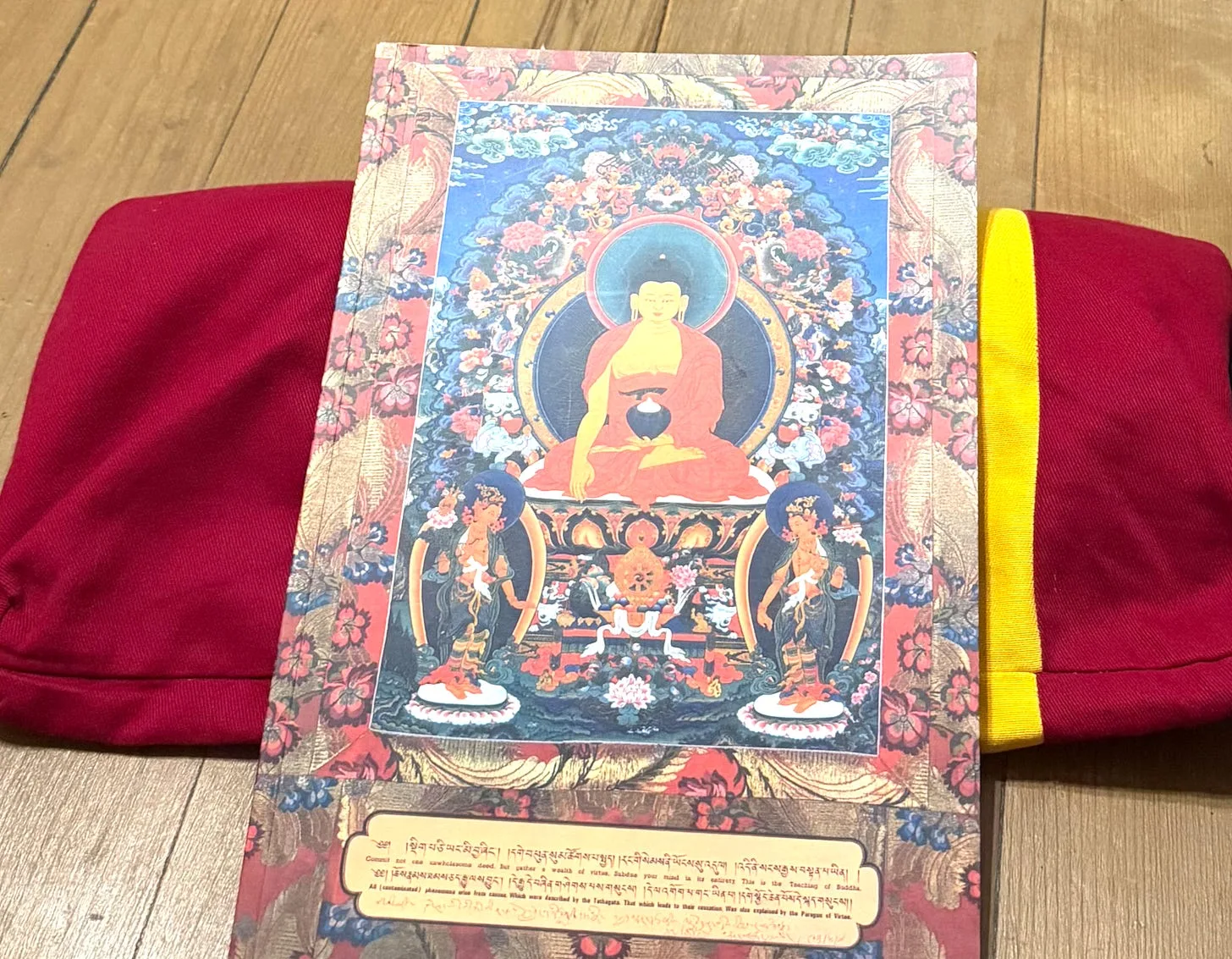
The common denominator of all these deaths is that I carried on. In Tibetan Buddhism there is the concept of the bardo, something like the intermediate state between one existence and the next. Khenpo Palden Sherab Rinpoche held that the bardos are in fact inner states of consciousness, part of the context of existing and, more importantly, that whoever knows them is not shaken when life’s great transitions inevitably arrive. More deeply, existence itself would be one great bardo, where we are always in a continuous flow of becoming something while ceasing to be something else at the same time.
But if my Gamer Self is already dead, who moved on to write this piece? What persists at the end of each of these cycles? My first intuition was the same as almost everyone’s: something in me crossed those deaths intact. Spiritists and Christians call it the Soul; Hindus, the Atman. The central idea in these concepts is that there is a core of our self that persists between lives or, at the very least, across this one. It is the “who we really are” of popular culture. Buddhists, on the other hand, have a radically different idea: there is no “self” that carries on — we are this continuous flow of changes that never stops.
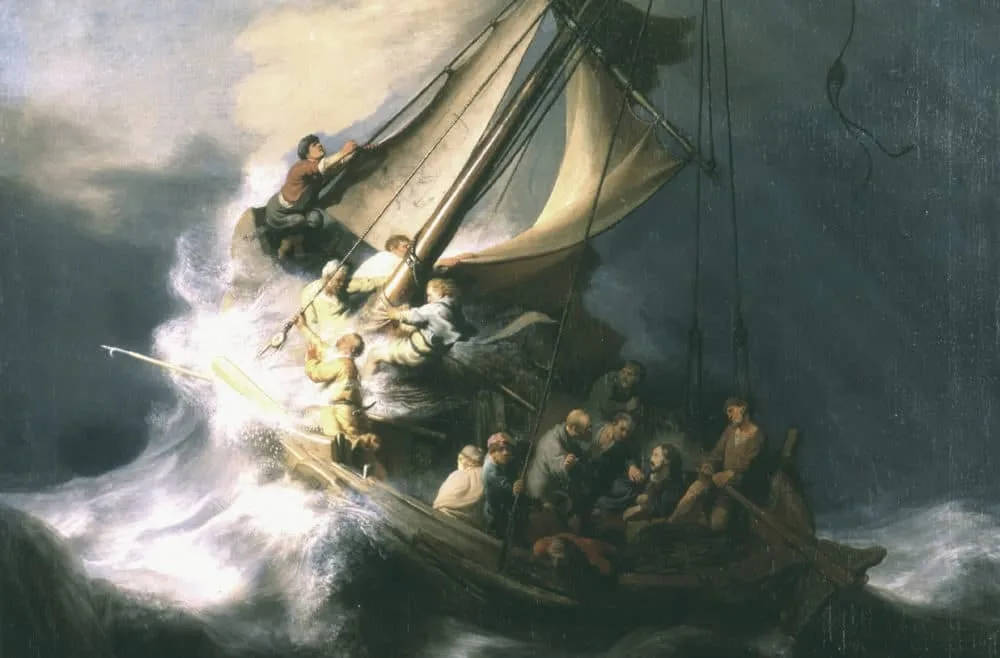
On the surface, the two interpretations do not seem all that different. After all, one says life is 90% change (a small core remains) and the other says it is 100% change. But that framing is mistaken. The right analogy is the difference between being the ship on the sea and being the sea itself. In the first case, the sea’s turmoil is something to be hated, fought, avoided. We struggle against an ocean that is sometimes for us and sometimes against us. O Fortuna, velut luna, statu variabilis. In the second, there is no ship at all. It is an illusion. What we are is exactly this endless rocking of the waves, currents that come and go, calms and storms. The Self that played Super Nintendo is nowhere to be found, and perhaps never was. All along, there was only the sea.
This piece was originally published in Portuguese on my newsletter Em Busca de Clareza.